
AI – the good, the bad and the downright scary
2 min
Artificial Intelligence and Information Security
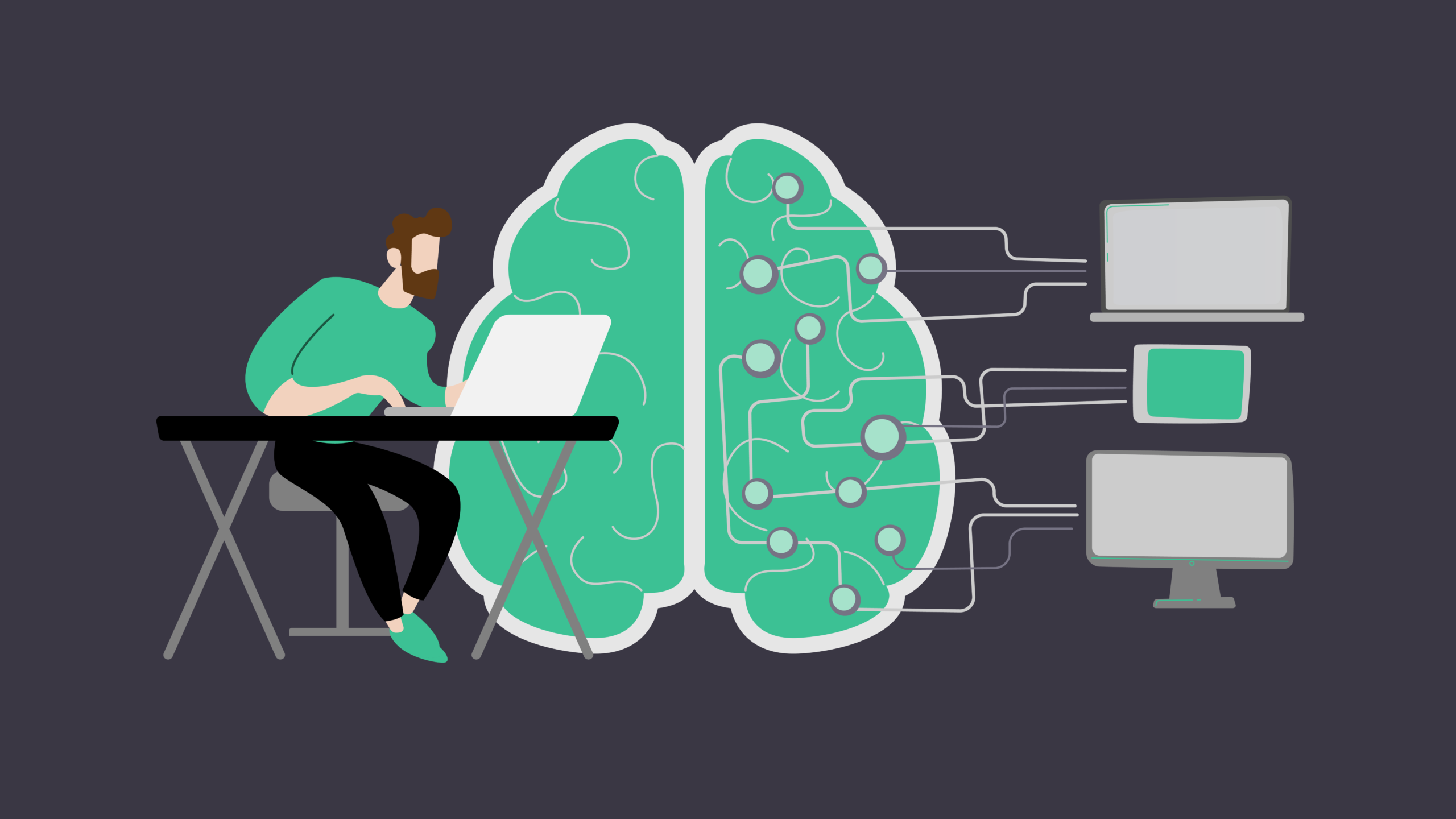
Artificial intelligence (AI) is an advanced technology that works in ways similar to the human brain. It can register, learn, understand, and act based on data and experience. Today, AI is driving innovation across many industries, and companies are increasingly exploring how to integrate it into their services and processes.
However, discussions about AI often trigger two very different reactions, excitement or fear. One of the most challenging questions is how far AI will develop, and what happens if machines become more intelligent than humans.
The potential of AI is undeniable. It can accelerate growth, transform industries, and even contribute to curing diseases. In many cases, AI may perform tasks more efficiently than humans. But like any powerful technology, it also introduces risks, especially when it comes to information security. With the rapid pace of AI development, concerns around personal integrity and data protection are becoming increasingly urgent.
Deepfakes and Deep Voice
One of the most well-known risks associated with AI is the rise of deepfakes. This technology uses machine learning to manipulate images and videos, often by placing one person’s face onto another’s body.
Initially, deepfakes gained attention through controversial uses, such as inserting celebrity faces, like Gal Gadot and Scarlett Johansson, into inappropriate content. At the same time, the technology has also been used for entertainment purposes, such as editing Nicolas Cage into popular movie scenes.
Although platforms like Reddit have taken steps to ban AI-generated face-swapping content, the technology continues to evolve. This raises an important question: can we still trust what we see online?
The Rise of Deep Voice Technology
Another emerging concern is “deep voice” technology. Using AI, it is now possible to clone a person’s voice with only a few seconds of audio. For example, Baidu has demonstrated the ability to replicate voices and even modify tone, accent, and speech patterns.
While this innovation has many positive applications, it also opens the door to misuse. Fake interviews, fraudulent phone calls, and manipulated announcements could become increasingly difficult to detect. This also raises concerns about the future of voice recognition systems, if voices can be perfectly replicated, how secure are these authentication methods?
The Need for Strong Information Security
AI’s ability to process and replicate personal data, such as images and voices, highlights the urgent need for robust information security practices. Organizations developing or using AI must take responsibility by implementing:
- Strong data protection measures
- Clear policies and regulations
- Secure development processes
- Ongoing monitoring and risk assessment
Without proper safeguards, the same technology that drives innovation could also be used to compromise privacy and security.