


Innovative uses of Blockchain (2022)
Blockchain has been described as the technology that can revolutionize the world economy and transform society. We have previously covered blockchain in our blog and how it can be used with smart contracts, and the challenges and opportunities GDPR will bring to blockchain.
What is Blockchain?
Blockchain is a technology that allows suppliers and consumers to connect directly without the use of a centralized third party. It is a distributed and transparent peer-to-peer system for exchange that uses cryptography to keep these exchanges safe.
Blockchain and Sustainability
Blockchain can also help address global environmental challenges. The World Economic Forum’s Global Risks Report highlights environmental issues as some of the biggest risks facing the world today. Through increased transparency, blockchain can support more sustainable technological development.
For example, blockchain can improve the traceability and certification of commodities by tracking products from production to consumption. It has already been used in the Pacific Islands tuna industry to combat illegal fishing and human rights abuse. By scanning a tuna package, consumers can see when, where, and how the fish was caught. Blockchain can also be used to track carbon footprints, which could help establish appropriate carbon tax levels and allow consumers to make more environmentally friendly choices.
Blockchain and Security
Cybercrime is often described as one of the biggest threats to companies, and blockchain has been suggested as a way to reduce the risk of hacker attacks. By reducing reliance on human-controlled systems, blockchain helps remove common vulnerabilities. Its distributed structure eliminates a single point of failure and provides strong privacy and encryption, making traditional hacking methods such as attacking a central system or stealing passwords more difficult.
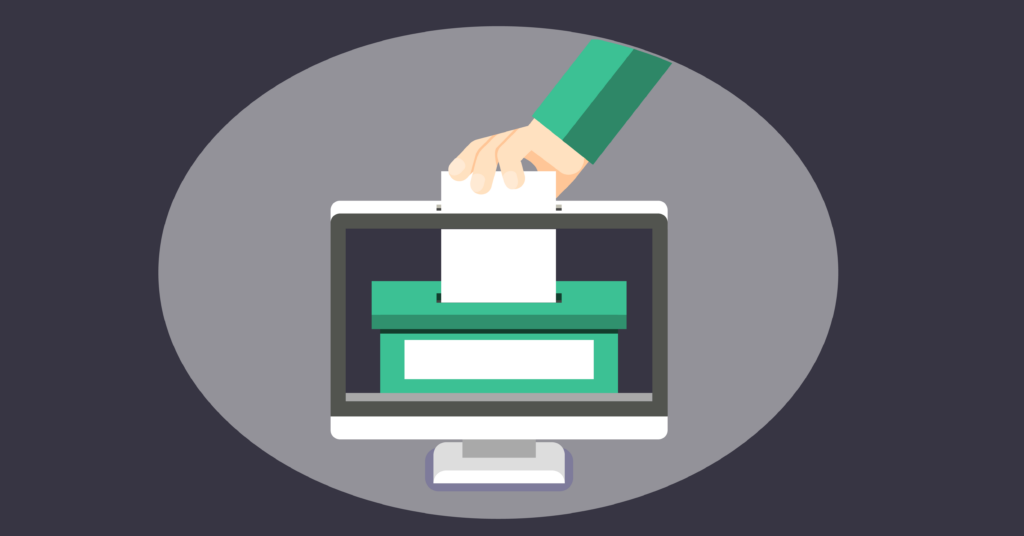
Blockchain has also been proposed as a solution for improving online voting systems. In recent years, election tampering, fraud, and weaknesses in voting systems have received global attention. By recording votes as transactions on a blockchain, votes could be securely cast, tracked, and counted while minimizing voter fraud. This transparency could increase trust in election processes and ensure that results have not been manipulated.